Skip to content

Find your family. We search the archives.

Tell us who you’re looking for. Our AI assistant takes care of the rest.

  • National Archives of Norway (Digitalarkivet)
  • National Library of Norway
  • Kartverket (old maps)
  • DigitaltMuseum
  • Wikipedia
  • Other sources on the web

We search the whole web and give the most weight to trusted sources.

  • National Archives of Norway (Digitalarkivet)
  • National Library of Norway
  • Kartverket (old maps)
  • DigitaltMuseum
  • Wikipedia
  • Other sources on the web

We search the National Archives, the National Library of Norway and much more.

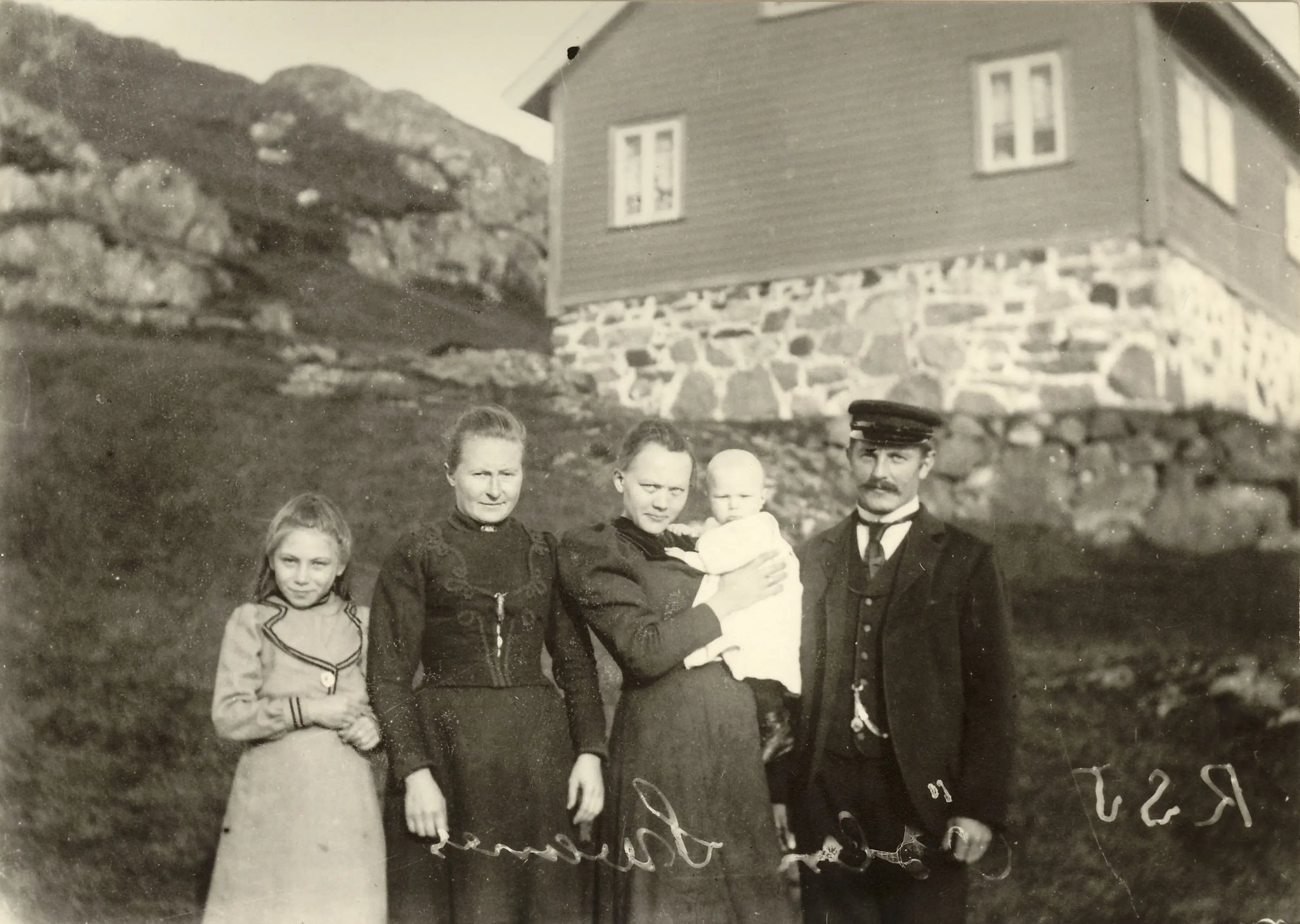
An old photo from 1902: a girl, two women, a baby and a man in a cap stand in front of their farmhouse.
About this photo

The Auglend family at their farm in Svånes, Eigersund, 1902. Photo: Rasmus Sørensen Johnsen, Dalane Folkemuseum. Public domain.

You bring the names. Heimkin reads the old records.

  • Add the people you know

    Start with yourself, your parents and your grandparents. A name, a year and a place is enough. Leave the rest blank.

  • Heimkin searches the records

    It reads census records, church books and old newspapers for you. You don’t need to know the archives or read old handwriting.

  • Read what it found

    Heimkin writes a short life story for each person, with old photos of the places they lived. Every fact shows the record it came from, so you can check it.

  • Invite your family

    Only you can see your tree until you invite family. They can look through it, or help you build it.

See where your family lived.

A map shows where each person was born, lived and died, from the farm in Norway to wherever life took them.
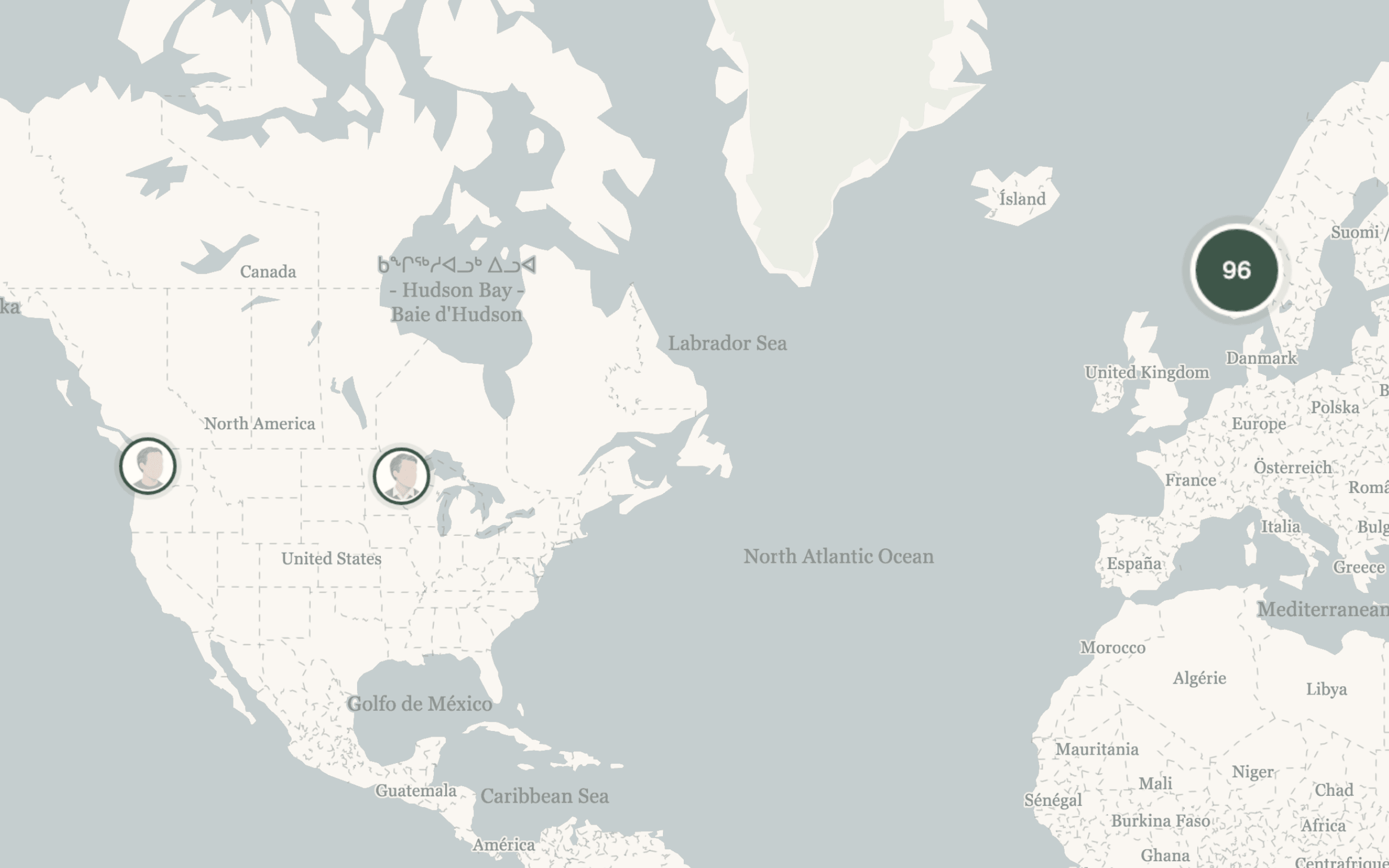
A map in Heimkin showing where the family lived: many places in Norway, and two relatives who settled in the United States.

A page for every person.

Dates, places and a short life story for each person in your tree, and a tip for what to search for next.
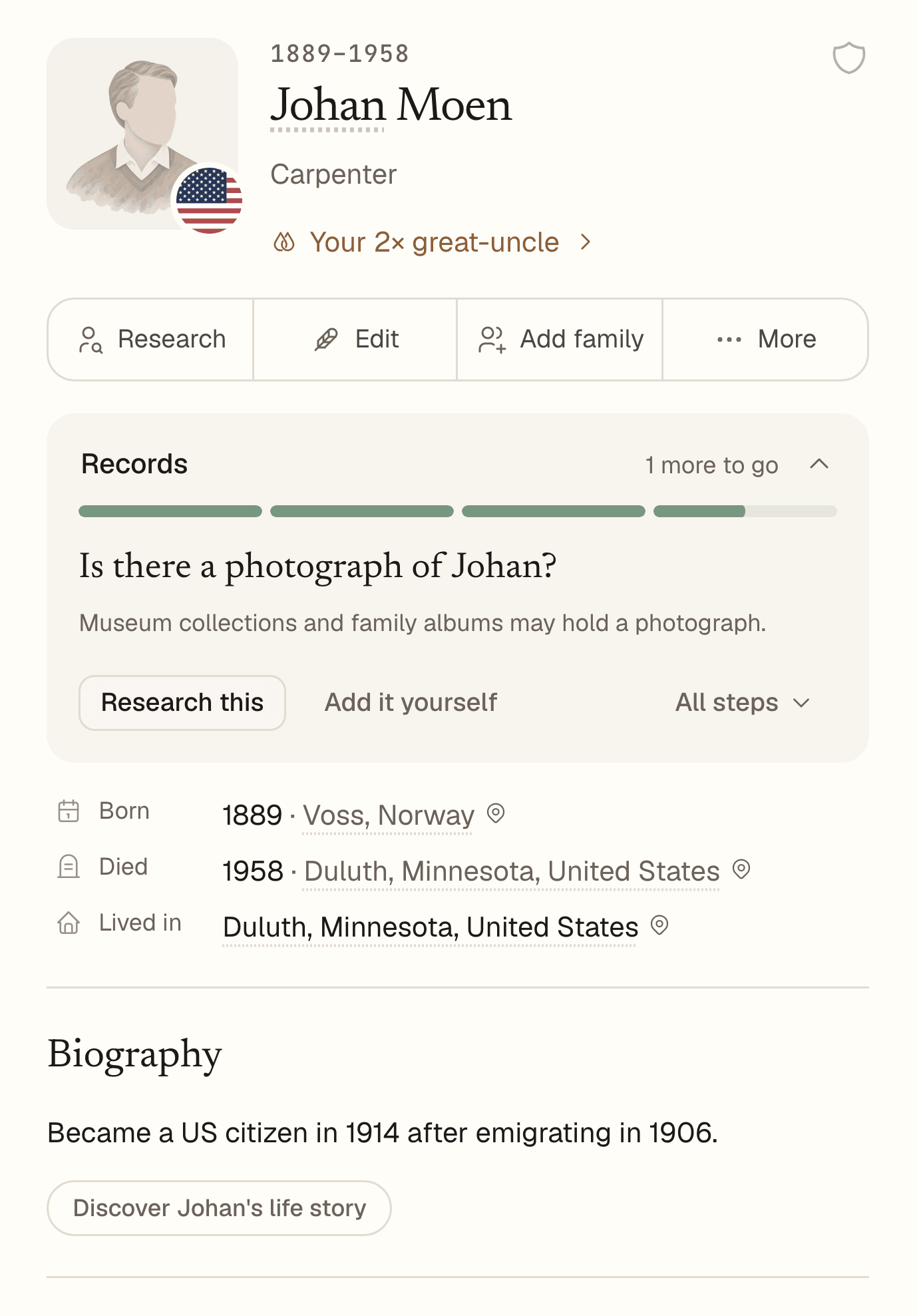
One person’s page in Heimkin: Johan Moen, a carpenter born in Voss in 1889, with his birth, death and home places, a short life story and a suggested next search.

See what they saw.

Old photos of the places your family lived, from the years they lived there.
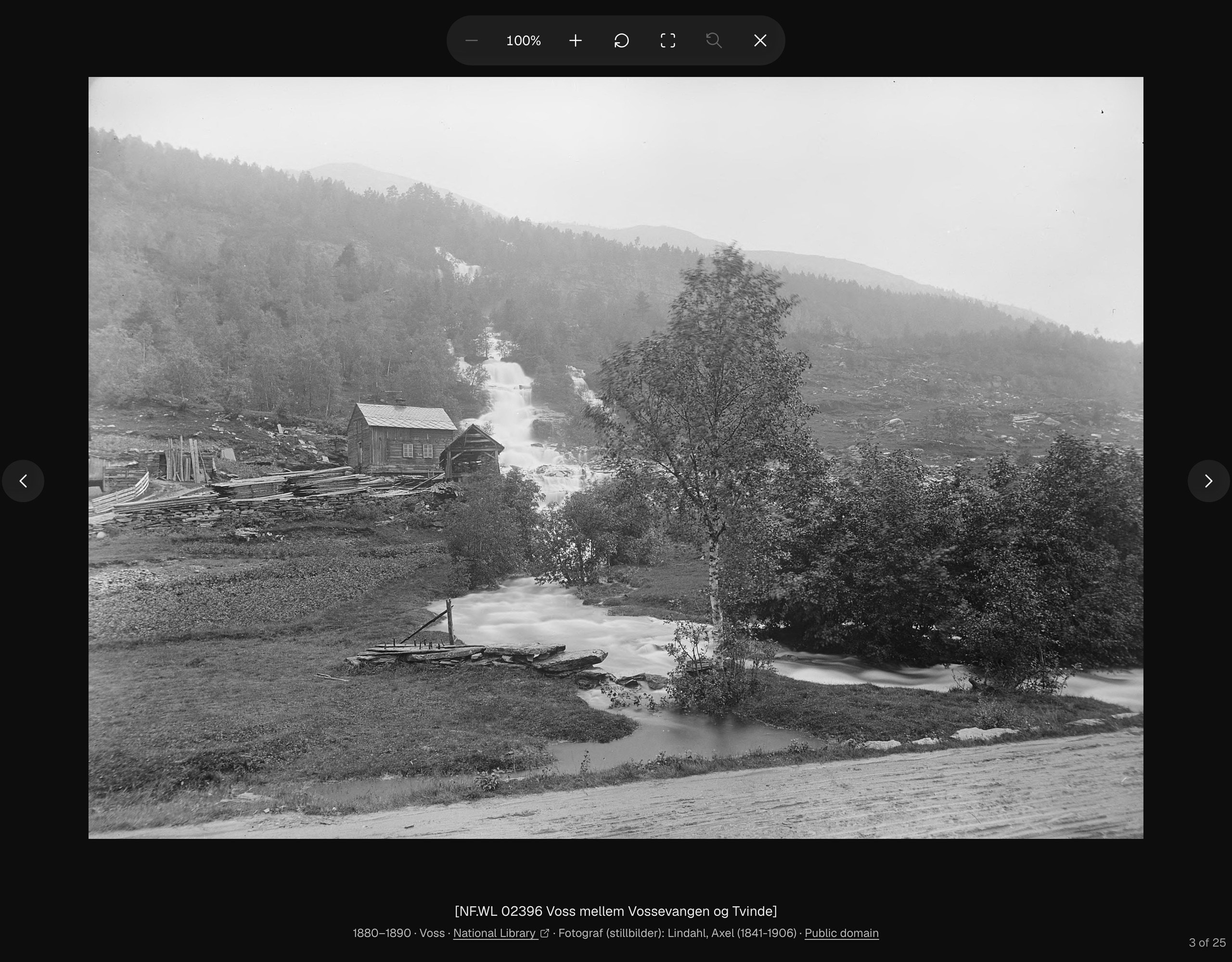
An old photo of Voss in Heimkin’s photo viewer, from the years Johan Moen lived there: a farmhouse by a waterfall, photographed between 1880 and 1890 by Axel Lindahl.

Maps from their time.

Lay an old map over today’s map, and see the farms, roads and place names they knew.
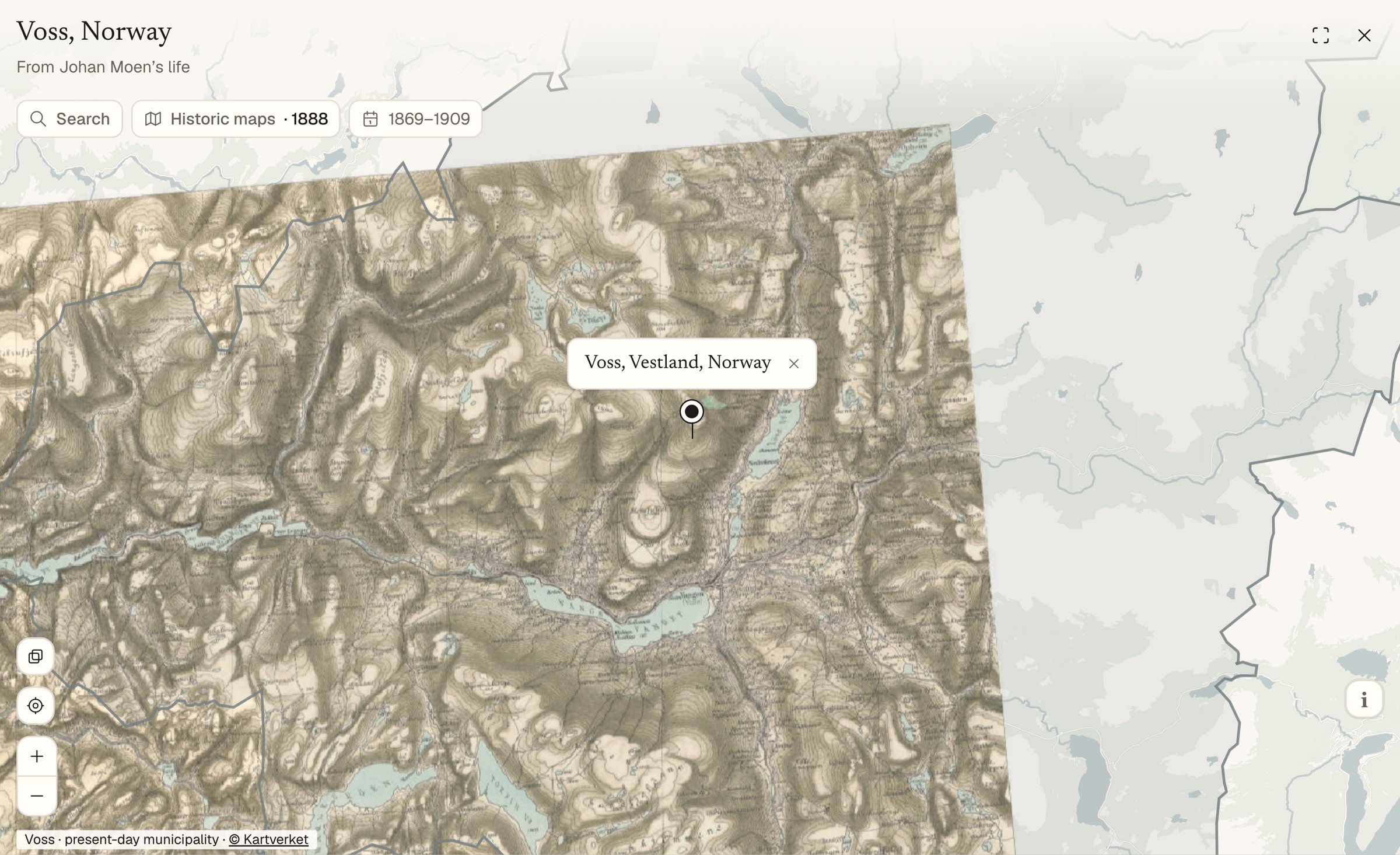
A map of Voss from 1888, laid over today’s map in Heimkin, with the lake, the farms and the roads around Vangen.

Questions people ask

About the records, the old names and your tree.

Start with what you already know: names, rough years and places, even an old family story. Heimkin searches Norway’s census records, church books, emigrant lists and old newspapers for them. Then it tells you what it found, with the source of every fact.

From Norway’s public archives. The census records, church books and emigrant lists come from the National Archives of Norway (Digitalarkivet), and the old newspapers from the National Library of Norway. Old photos come from Norwegian museums. Anyone can search these archives for free. Heimkin does the searching and the reading for you.

That’s fine. Start with a name and a rough birth year. Heimkin searches for people who fit, and uses each thing it finds, like a parent’s name or a place, to narrow it down. The more you know, the easier it is to tell people with the same name apart.

Until the early 1900s, most Norwegians had no fixed family name. A son of Ole was often called Olsen, and a daughter Olsdatter. Many also used the name of their farm, and it changed when they moved. Families who went to America often kept one of these names or changed its spelling. Heimkin looks for each person under the different names they may have used.

No. Heimkin reads the records and tells you in plain English what they say. The record itself is always one click away, if you want to see it.

Yes. Old records can be hard to match, and many have been lost. That is why every fact shows the record it came from, so you can check it. When a record could belong to someone else with the same name, Heimkin marks it as a possible match.

Only you can see your tree until you invite family. You choose who to invite, and whether they can only look or also help.

It costs nothing to try.

Start with the names you know, and see what Norway’s old records say about them. No card needed.
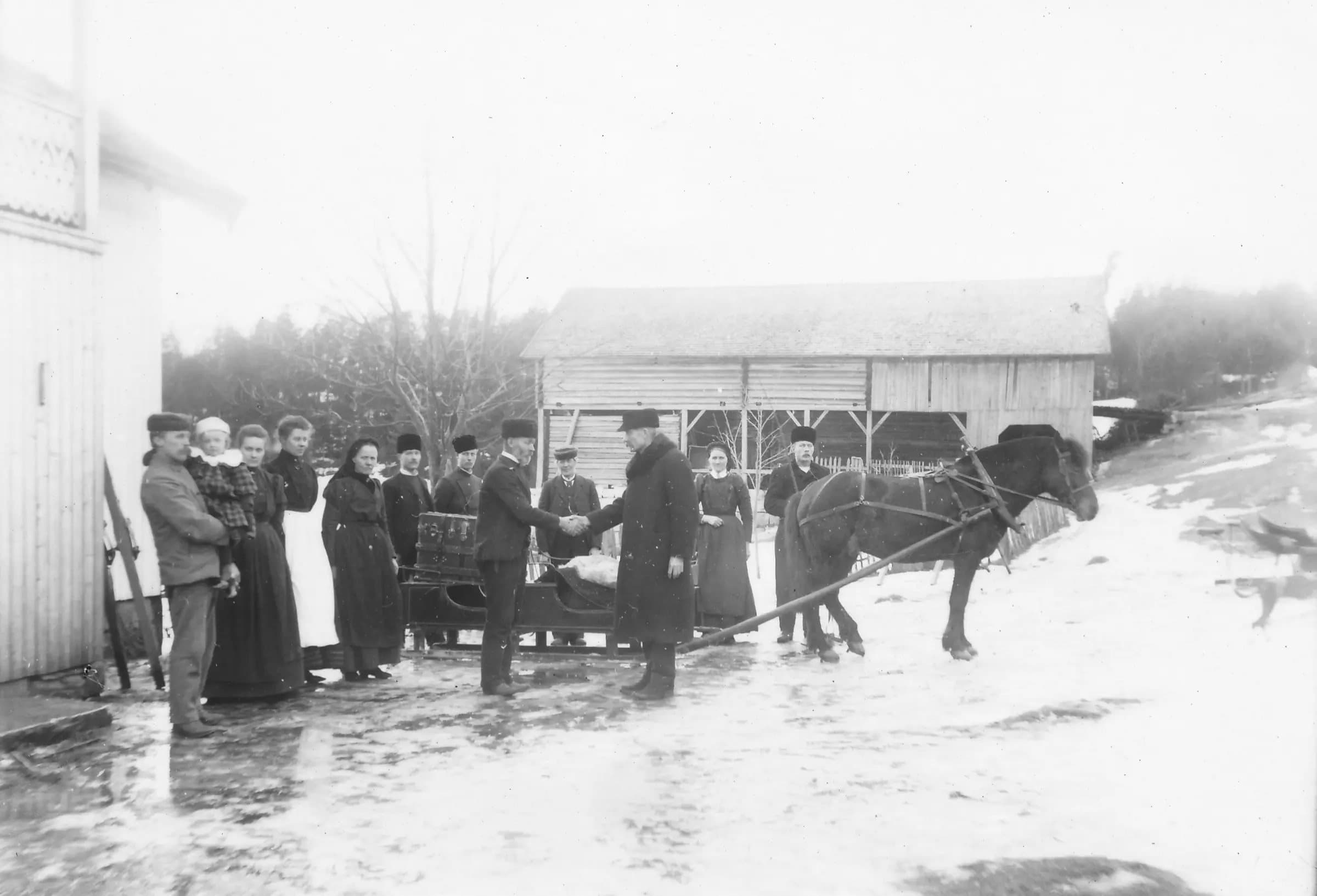
An old photo from about 1907: a family stands in the snow on a farm by a horse and sleigh, and two men shake hands.
About this photo

Kjetil Å. Momrak and his brother Olav shake hands at Momrak in Fyresdal, about 1907. Photo: Bendik Taraldlien, Vest-Telemark Museum. Public domain.

Search for free